


Lou Gehrig and the History of ALS
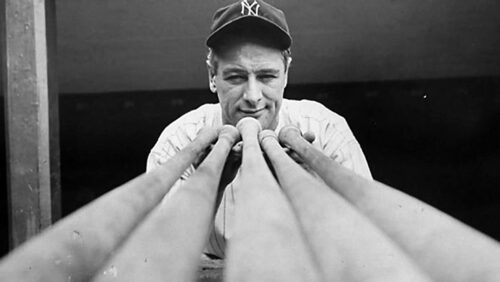
The disease was identified in 1869 by French neurologist Jean-Martin Charcot and became more widely known internationally on June 2, 1941, when it ended the career of one of baseball’s most beloved players, Lou Gehrig. For many years, ALS was commonly known as Lou Gehrig’s disease.
Gehrig played with the New York Yankees for 17 years and received the moniker “The Iron Horse” due to his ability to play baseball despite suffering from a variety of injuries.
Born in New York City to the son of German immigrants, Heinrich and Christina Gehrig, Gehrig attended Columbia University on a football scholarship to study engineering, yet he also played the sport for which he is best known during his tenure at the Ivy League school.
A baseball scout signed Gehrig to the Yankees in 1923 due to his remarkable hitting skills. He held various positions on the team until his retirement, including shortstop and outfielder; however, many know him best as the Yankees’ first baseman.
Gehrig garnered many achievements in his career. He hit 493 home runs; held the record for most grand slams in a career (23) until 2013; and established a record for playing 2,130 consecutive professional baseball games. The Yankees also made him the first athlete to have a jersey number retired.
Gehrig was diagnosed with ALS on his 36th birthday during a visit with his wife Eleanor to the Mayo Clinic in Rochester, Minnesota, on June 19, 1939. Prior to his diagnosis, Gehrig noticed several of the disease’s symptoms while playing on the field, including a loss of strength, slipping, falling and loss of coordination.
[source]The ALS Ice Bucket Challenge
 In the summer of 2014, three young men living with ALS, Anthony Senerchia, Pete Frates, and Pat Quinn, took the ALS Ice Bucket Challenge and launched a global phenomenon that changed the fight against ALS forever.
They inspired over 17 million people around the world to dump ice water on their heads and donate to an ALS organization. The Challenge raised awareness of the disease worldwide and raised $115 million to support our mission, funds that were invested in ALS research and care for people living with the disease.
Take the ALS Ice Bucket Challenge »
Palliative Care for ALS Patients
ALS (Amyotrophic Lateral Sclerosis) is a progressive neurological condition that affects nerve cells responsible for muscle movement, speech, swallowing, and breathing. Palliative care for ALS focuses on improving quality of life by working collaboratively with the patient’s medical team to help manage symptoms and reduce discomfort. Palliative care is instrumental in providing emotional and practical support for both patients and families.
 Patients may qualify for palliative care at any stage of the disease, especially when experiencing increasing weakness, fatigue, pain, shortness of breath, difficulty swallowing, anxiety, depression, or challenges with mobility and daily activities.
Unlike hospice care, which is typically recommended when a patient is believed to be in the final six months of life, palliative care can begin much earlier alongside curative or life-prolonging treatments. Palliative care for ALS works in collaboration with neurologists and other specialists to help patients navigate complex decisions, coordinate care, and manage changing symptoms over time. Support may include working with the patient and medical team to help with pain and symptom management.
As ALS progresses, palliative care becomes an important layer of support that helps patients maintain comfort, dignity, and independence for as long as possible. Our interdisciplinary team is dedicated to helping individuals and families cope with the physical, emotional, and spiritual challenges that often accompany ALS.
When appropriate, patients can smoothly transition from palliative care to hospice care, ensuring continuity of compassionate support throughout every stage of the journey.